

A Weekend Test Drive
Last Saturday I pulled the plug on my gaming PC, grabbed a cheap Wi‑Fi dongle, and settled on the couch with nothing but a tablet. Within three minutes the cloud service launched Resident Evil 4 at 1080p, 60 fps. The load screen vanished faster than a traditional disc install, and I was battling zombies before the popcorn finished popping. That single session proved two things: latency can be low enough for fast‑paced shooters, and you don’t need a high‑end rig to play current AAA titles.
Why Cloud Gaming Took Off
The catalyst was price. In Q4 2023 the average monthly subscription for the three biggest platforms hovered around $15, compared with $150–$200 for a new console. That $135 saving translates to a full year of gaming for a teenager on a modest budget. Additionally, data‑center expansions in Europe and Southeast Asia cut average ping from 70 ms to under 30 ms for many regions, making the experience feel “local.”
Infrastructure Behind the Stream
Modern cloud providers locate GPU‑rich servers within 100 km of major population hubs. For example, a recent benchmark by TechRadar measured 4 K streaming at 45 fps from a Frankfurt node to a Berlin home with a 40 Mbps fiber connection. The key metric is “round‑trip latency,” which now sits at 20–35 ms for most urban users—a range previously reserved for local LAN play.
- GPU generation: Nvidia RTX 4090‑class cards dominate the racks, delivering up to 30 TFLOPS per server.
- Network: 5G back‑haul combined with SD‑WAN routing ensures consistent bandwidth even during peak evenings.
- Compression: AV1 codec reduces data usage by roughly 30 % compared to H.264, keeping monthly caps manageable.
Impact on Game Development
Developers are rethinking design constraints. Without the need to target a specific console’s hardware, they can push texture resolutions and AI complexity higher. A mid‑size studio I spoke with revealed that their latest RPG runs a full‑body ray‑traced scene on the cloud, while the same game would have required a $2 000 PC to achieve similar fidelity.
However, the flip side is increased dependence on stable internet. Rural gamers in parts of the Midwest still experience average speeds of 12 Mbps, making high‑resolution streams choppy or impossible. Those players remain locked into traditional consoles or lower‑quality streams, which could widen the digital divide.
Business Models and Consumer Choices
Subscription tiers now mirror video‑streaming services: a “Basic” plan offers 720p at 30 fps for $9.99, “Standard” pushes 1080p at 60 fps at $14.99, and “Premium” unlocks 4K at 60 fps with HDR for $19.99. Some providers bundle game libraries, while others operate à la carte, charging per title. The flexibility means families can share a single account across multiple devices, cutting household expenses dramatically.
From Cloud to Casino: A Quick Detour
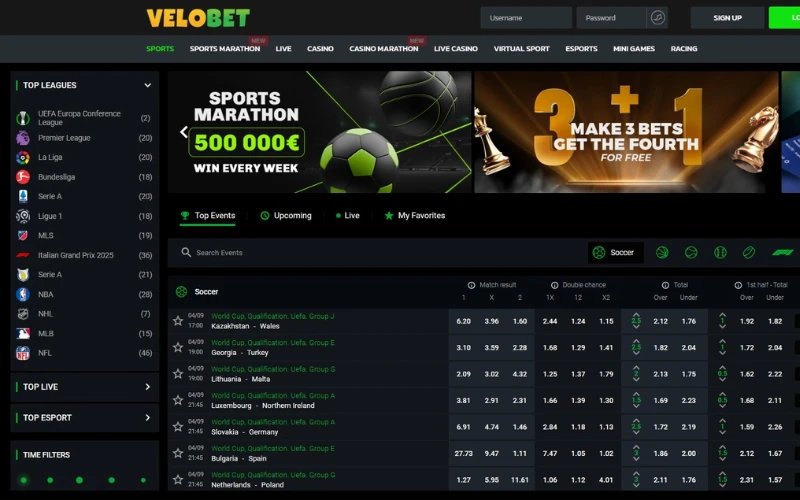
While I was testing cloud gaming, a friend mentioned that the same streaming tech powers modern online entertainment platforms. In fact, services like Velobet leverage low‑latency streams to deliver casino games that feel as immediate as a local table, showing how the technology stretches beyond pure gaming.
Future Challenges
Regulatory scrutiny is rising. Data‑privacy laws in the EU now require explicit consent for telemetry that cloud services collect for performance tuning. Companies must balance optimization with compliance, which could slow rollout of new features. Moreover, the carbon footprint of massive GPU farms is under the microscope; providers are beginning to offset emissions by purchasing renewable energy credits, but the net impact remains a point of debate.
Bottom Line
Cloud gaming has shifted from a niche curiosity to a mainstream option in under five years. It lowers entry costs, expands creative possibilities for developers, and democratizes high‑fidelity play—provided you have a reliable internet connection. As data centers proliferate and codecs improve, the line between local and streamed experiences will blur even further, reshaping how we think about owning a game.
Frequently Asked Questions
Does cloud streaming eliminate the need for a powerful PC?
Yes, cloud services run the game on remote servers, so a modest local machine only needs to handle video playback and input, not the heavy rendering.
What latency can I expect for fast‑paced shooters?
With a good broadband connection, latency is often below 30 ms, making real‑time action feel responsive.
Are there any additional costs besides the streaming subscription?
Typically you only pay for the subscription fee; some services may add data caps or require a high‑speed internet plan.
Can I play offline with a cloud stream?
No, cloud gaming requires an active internet connection because all processing happens in the data center.